

At-a-Glance: Umbilical Hernias
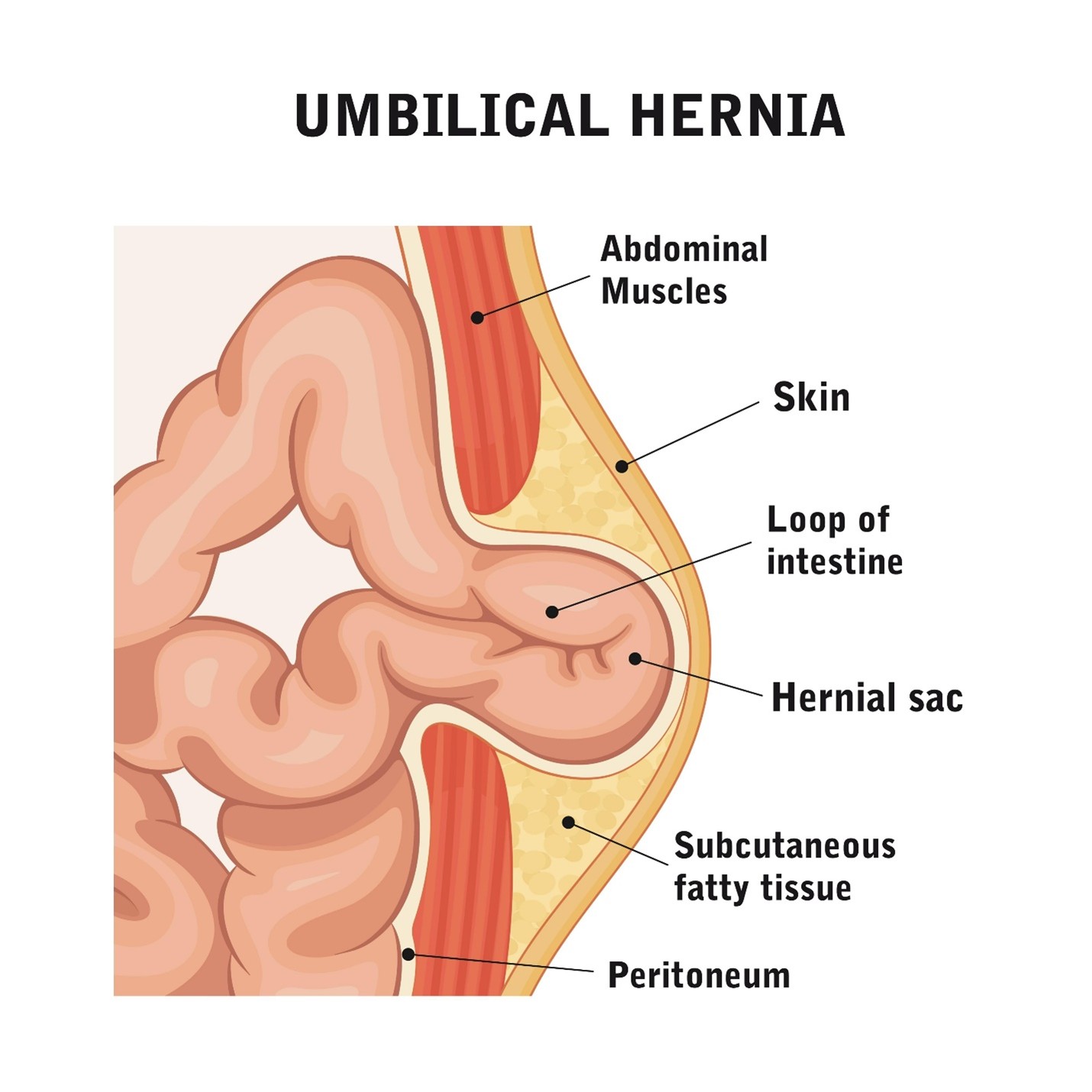
An umbilical hernia is a gap in the abdominal wall near the navel. While common in children, adult umbilical hernias do not heal on their own and require surgical repair to prevent serious complications like strangulation. Recognizing the signs—such as a visible bulge or dull ache—and seeking a consultation with a specialist like Dr. Christopher J. Hart at our Suwanee office is the first step toward long-term relief and safety.
Table of Contents
- How to Recognize an Umbilical Hernia
- The Danger of Lifting and Straining
- Specific Activities and Things to Avoid
- Comfort Measures While Waiting for Surgery
- Emergency Warning Signs
- Frequently Asked Questions (Q&A)
- About Dr. Christopher J. Hart
How to Recognize an Umbilical Hernia
According to clinical standards shared by the Mayo Clinic and the American College of Surgeons (ACS), an umbilical hernia is often identified by a visible protrusion. For our patients in the Johns Creek and Suwanee area, recognizing these early signs can prevent a trip to the local emergency room.
- The Signature Bulge: Look for a soft swelling or bump near the belly button.
- Pressure & Sensation: Many patients report a "dragging" feeling or a dull ache in the abdomen, especially when coughing, sneezing, or lifting heavy items.
- Size Fluctuations: The hernia may appear larger when standing or straining and may seem to disappear when lying flat.
The Danger of Lifting and Straining
When you have an umbilical hernia, your abdominal wall has a structural defect (a hole). Any activity that increases "intra-abdominal pressure" can force more tissue through that hole, causing pain or leading to an emergency.
- The Mechanics of Lifting: When you lift a heavy object, your core muscles contract and create internal pressure. This pressure acts like a piston, pushing internal fat or intestines into the hernia sac.
- The Risk of Incarceration: Straining can cause a piece of the intestine to become "stuck" in the gap. If it cannot be pushed back in, it may become strangulated, requiring immediate emergency surgery.
Specific Things to Avoid While Waiting for Surgery
The American College of Surgeons emphasizes that managing abdominal pressure is key to preventing the hernia from worsening. There can be additional restrictions based on your hernia, so always check with your provider.
- Heavy Lifting: Avoid lifting anything over 10 lbs. This includes groceries, small children, or gym equipment. If you must lift a light object, use your legs and never hold your breath while lifting.
- High-Intensity Exercise: Pause activities like heavy squats or intense core workouts at your local North Fulton gym.
- Straining on the Toilet: Chronic constipation is a leading cause of hernia growth. Increase fiber and water intake to ensure you aren't "bearing down" during bowel movements.
- Smoking: Nicotine weakens the abdominal wall and chronic "smoker’s cough" puts constant, violent pressure on the hernia site.
Comfort Measures and Daily Support
Managing discomfort at home while awaiting your procedure with Dr. Hart is possible. There can be additional restrictions based on your hernia, so always check with your provider first:
- Supportive Garments: A soft abdominal binder can provide external support and reduce the heavy sensation during daily activity.
- Manual Reduction: If the hernia is soft, gently laying down and applying light, steady pressure can often help "reduce" it. Do not force it if you feel pain.
- Modified Movement: Focus on "log-rolling" out of bed—rolling onto your side and pushing up with your arms—to avoid using your abdominal muscles like a "crunch."
Warning Signs: When to Seek Emergency Care
If a hernia becomes strangulated, it cuts off blood supply. This is a surgical emergency. Seek immediate help if you notice:
- Sudden, severe pain that worsens quickly.
- A bulge that becomes firm, red, purple, or dark.
- Nausea or vomiting accompanied by a painful bulge.
- Inability to pass gas or have a bowel movement.
Questions & Answers (Q&A)
Q: Can I just wait and see if my hernia goes away? A: No. Adult umbilical hernias are structural defects that will not heal on their own. Delaying surgery often leads to the hernia growing larger.
Q: Is the surgery performed robotically? A: Yes. Dr. Christopher J. Hart specializes in robotic-assisted hernia repair, offering patients in Alpharetta, Johns Creek, and Cumming access to university-level precision with smaller incisions.
About the Author: Dr. Christopher J. Hart
Dr. Christopher J. Hart, MD, FACS, is a board-certified general surgeon and the medical director of Johns Creek Surgery. After completing his surgical residency at the world-renowned Mayo Clinic, where he served as Chief Resident, Dr. Hart has dedicated over 30+ years to providing advanced surgical care to the North Atlanta community. He is consistently recognized as a Top Doctor in the Johns Creek and Alpharetta area.
Medical Disclaimer
The information provided on johnscreeksurgery.com is for educational purposes only and is not intended as medical advice. Always seek the advice of a board-certified surgeon. If you are experiencing a medical emergency, call 911 immediately.